


Winter has officially arrived.
Along with the colder temperatures, rainy days, and the classic Waikato fog, winter often brings a few sniffles, chesty coughs, and the occasional sick day to match. While we can't do much about the weather, there are plenty of things we can do to support our immune system and give ourselves the best chance of staying healthy through the colder months.
For a long time, many of us believed that cold weather itself was the reason we got sick. While winter conditions certainly play a role, it's actually a combination of factors that create the perfect environment for illness to spread.
As temperatures drop, we naturally spend more time inside. Homes, offices, schools, cafés, and public transport become gathering places where people are in closer contact with one another. This makes it much easier for viruses such as the common cold, influenza, COVID-19, and RSV to spread from person to person.
Many respiratory viruses survive and spread more effectively in cooler, drier conditions. Winter air allows virus particles to remain airborne for longer and stay infectious for longer periods, increasing the likelihood of transmission.
Shorter days and reduced time outdoors can impact vitamin D levels. Vitamin D plays an important role in supporting immune function, and lower levels may increase susceptibility to respiratory infections.
Winter can also influence our daily habits. We may exercise less, spend less time outdoors, experience increased stress, or find our sleep patterns changing. These factors can all impact both physical and mental wellbeing, affecting how resilient we are to illness.
Put simply, the winter illness formula often looks like this:
More virus exposure + Better virus survival + Less sunlight/Vitamin D + Lifestyle factors = More sickness
The good news is that there are several simple habits that can make a real difference.
It may sound counterintuitive when it's cold and wet outside, but getting outdoors can do wonders for your health. Rugging up and heading out for a walk provides fresh air, natural light, and valuable vitamin D exposure, even on cloudy days.
Spending time outside can also boost mood, reduce stress, and support overall wellbeing during the darker months.
Let's be honest, it's much harder to get up for the gym when it's still dark outside, and heading out for a run in the rain isn't always appealing.
However, winter isn't the time to stop moving.
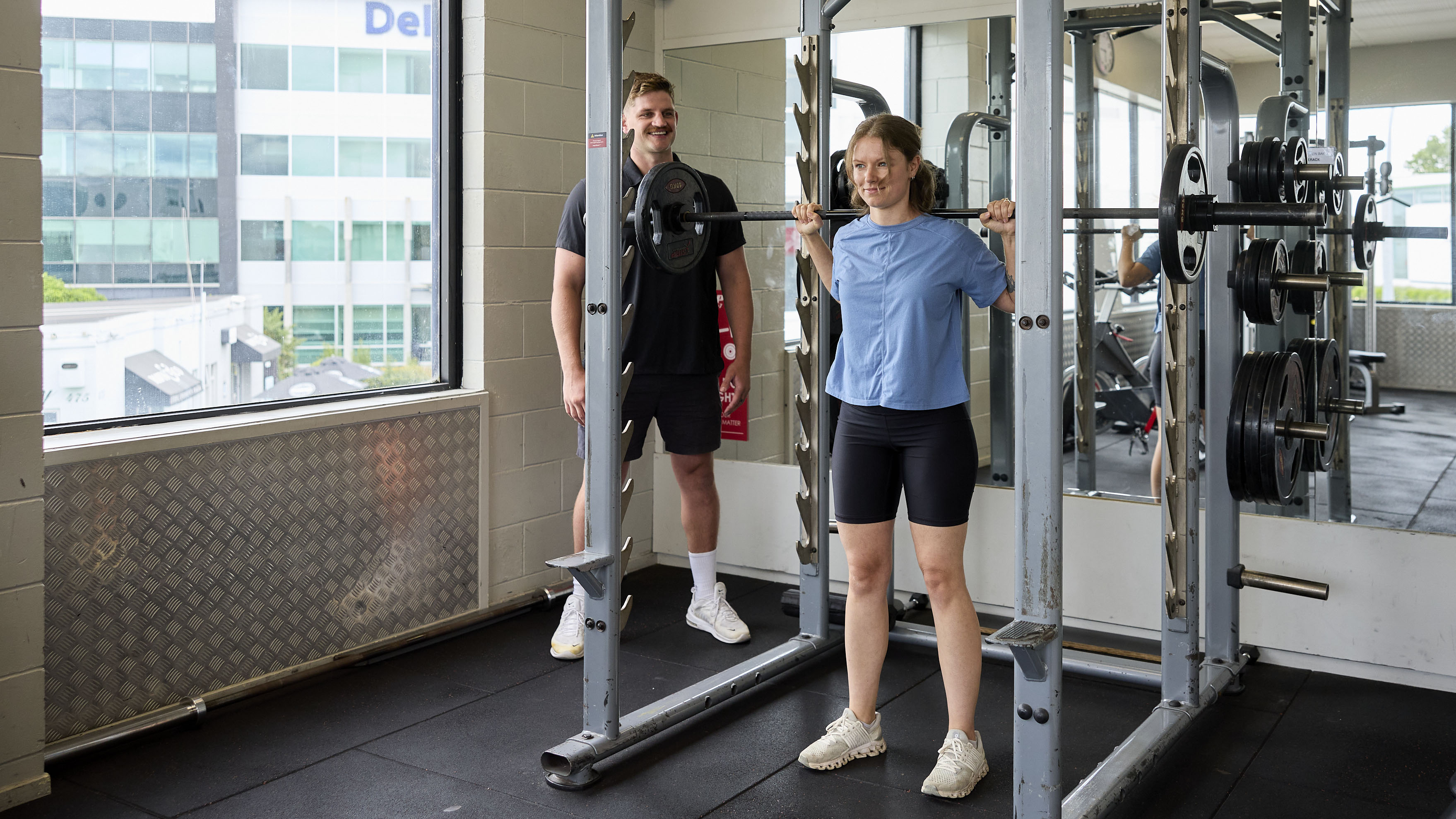
Regular physical activity helps support immune function, improves energy levels, and contributes to better mental health. Whether it's maintaining your daily step count, attending a fitness class, or rolling out a yoga mat in front of the fireplace, finding ways to stay active throughout winter is important.
If you've ever felt like hibernating during winter, you're not alone. Our bodies naturally respond to seasonal changes in daylight, making winter an ideal time to focus on getting quality sleep. Adequate rest supports immune function, recovery, mood, and overall health. One simple tip is to get some natural light into your eyes early in the day, even if the sun is hiding behind the clouds. This helps regulate your body's sleep-wake cycle and can improve sleep quality at night.
For those spending most of their day indoors, vitamin D supplementation may be worth considering, particularly during winter.
As always, it's a good idea to speak with your healthcare professional if you're unsure whether supplementation is right for you.
Stress management is one of the most powerful ways to support your immune system.
Chronic stress can impact sleep, energy levels, and overall resilience, making it harder for your body to fight off illness. While managing stress isn't always easy, finding strategies that work for you. Whether that's exercise, mindfulness, spending time with friends and family, or simply taking time to recharge, can make a significant difference.
Some advice gets repeated every winter because it works.
Simple preventative measures continue to be some of the most effective ways to reduce the spread of illness:
• Wash your hands regularly
• Cover your mouth and nose when coughing or sneezing
• Stay home or work from home if you're feeling unwell
• Keep your distance from others when you're sick
These small actions help protect not only your own health but also the wellbeing of those around you.


